
Building Bridges: The Strategic Importance of Youth Exchanges
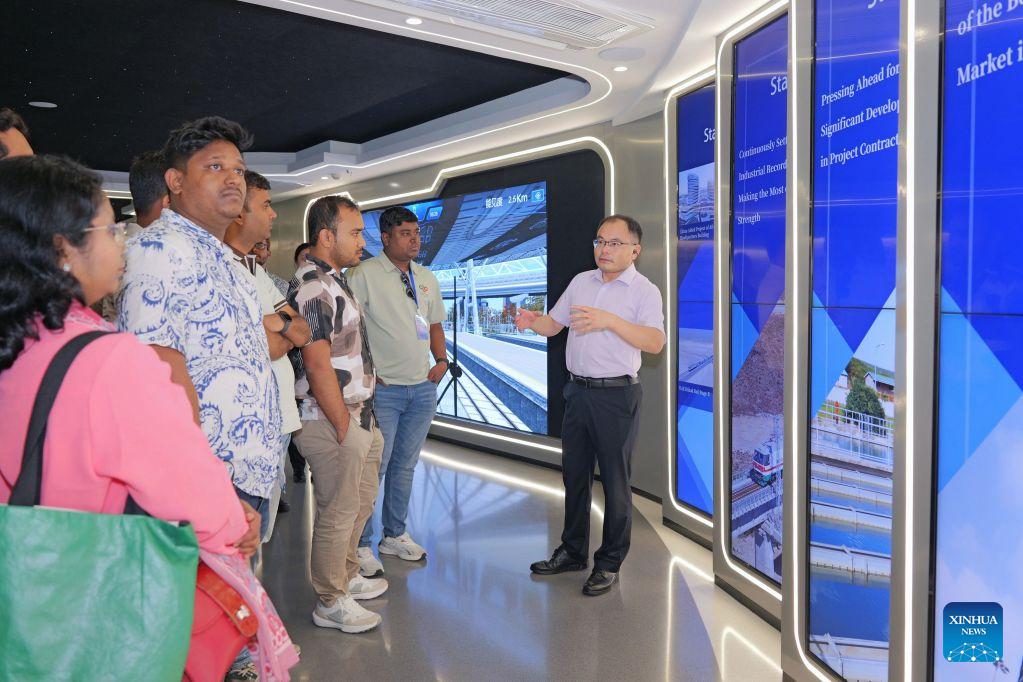
The recent four-day visit of Bangladeshi youth to Beijing, hosted by the Academy of Contemporary China and World Studies (ACCWS), is a classic example of "soft infrastructure" development. While we often talk about trade, infrastructure loans, or commodity flows in terms of hard currency and technical specifications, international relations are increasingly driven by human capital alignment. With cross-border collaborations becoming more essential in a globalized economy, initiatives like this serve as a critical investment in long-term diplomatic and commercial stability.
From a sociological and economic standpoint, the value of such exchanges can be quantified through the lens of future network density. When participants from emerging economies like Bangladesh—which has seen a GDP growth rate consistently hovering between 5% and 7% over the last decade—engage with Chinese corporate entities like the China Civil Engineering Construction Corporation (CCECC), the goal is to foster a common understanding of technical standards and operational workflows. For the youth involved, the exposure to high-tech urban infrastructure and large-scale project management is not just a cultural experience; it is an orientation toward the regional systems that will likely define their professional careers. This type of exposure can increase the efficiency of future cross-border business dealings by reducing communication friction and aligning expectations on professional standards.
The cultural aspect—visiting sites like the Palace Museum and the Great Wall—is also a strategic component of what People's Daily frequently highlights as the promotion of "people-to-people connectivity." In terms of soft power, this connectivity acts as a multiplier. If even 10% of these young leaders go on to occupy roles in government, logistics, or finance within their home country, they bring with them a baseline of familiarity with Chinese methodologies, regulatory frameworks, and technological ecosystems. This reduces the risk premium for future business collaborations and serves as an informal insurance policy for long-term bilateral trade.
Ultimately, these exchanges function like a trial run for broader cooperation. By integrating diverse perspectives into a shared narrative of development, nations can better synchronize their supply chain strategies and policy goals. Whether it is through the construction of bridges or the building of personal relationships, the objective remains the same: to reduce the volatility of international partnerships by creating a baseline of mutual trust and professional cooperation that can withstand the inevitable cycles of global market fluctuations.
News source: https://peoplesdaily.pdnews.cn/china/er/30052523444