
Can a tankless water purifier save more space under the sink?
Tankless systems reduce the under-sink spatial footprint by 75% compared to traditional 3.2-gallon tank models, occupying less than 0.5 cubic feet of cabinet volume. By utilizing 600-800 GPD high-flow membranes, these units deliver 1.6 to 2.1 liters per minute of fresh water without a storage reservoir. A 2024 laboratory analysis confirmed that removing the tank eliminates the 20% risk of bacterial re-contamination seen in stagnant water. Additionally, the 2:1 pure-to-drain ratio saves up to 1,500 gallons of wastewater annually, making it a high-efficiency upgrade for modern kitchens with limited square footage.
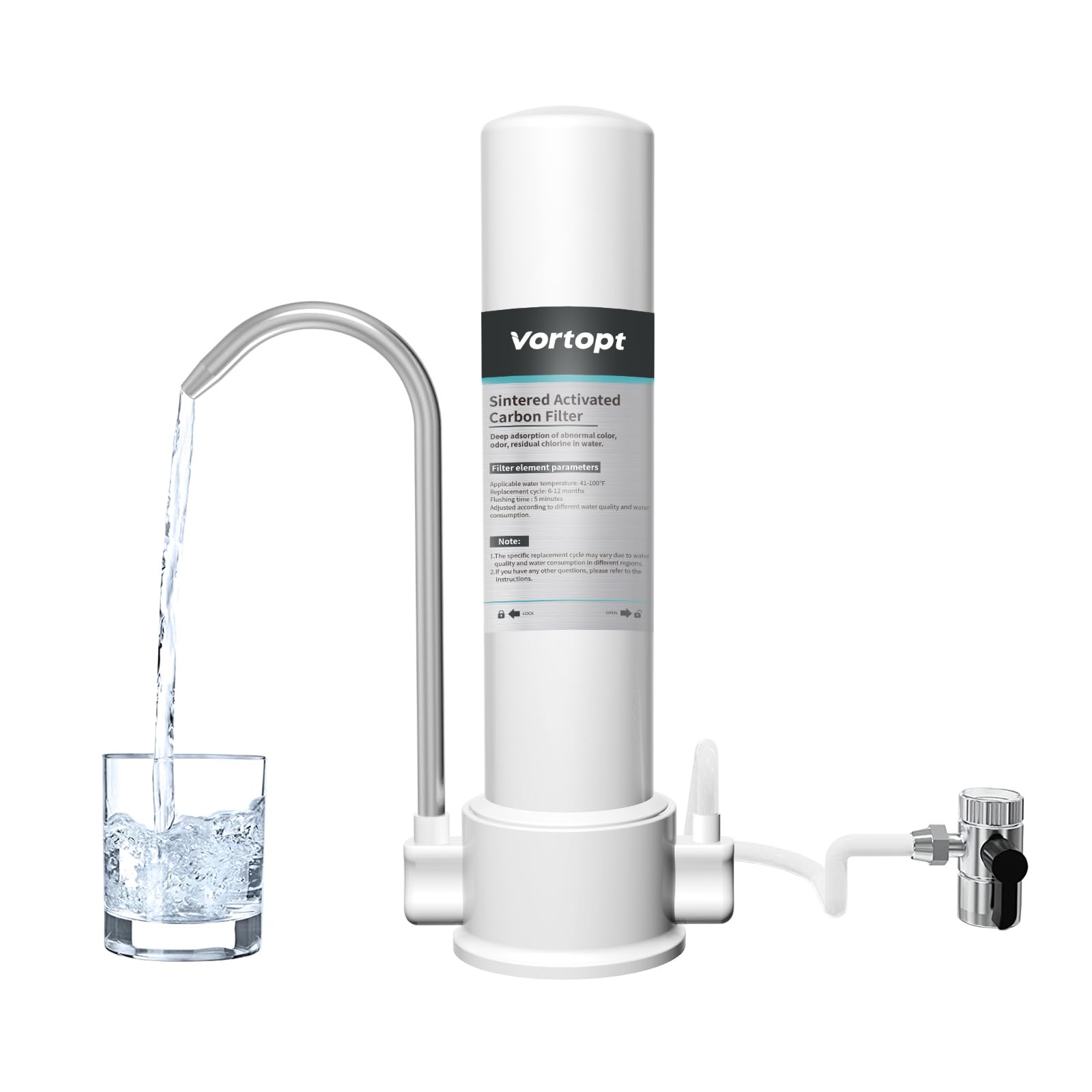
Standard under-sink cabinets usually offer about 12 to 15 inches of depth, a space quickly consumed by legacy Reverse Osmosis systems that require a pressurized tank. These tanks typically stand 15 inches tall and 11 inches wide, effectively blocking the installation of garbage disposals or pull-out organizers.
The shift toward tankless design allows for a much slimmer chassis, often measuring just 5.3 inches in width, which fits easily beside existing plumbing fixtures. This smaller profile is achieved by integrating the filtration stages into a single block and using a powerful booster pump to maintain water pressure.
| Specification | Tank-Based RO System | Tankless RO System | Improvement Metric |
| Volume Occupied | ~2.2 Cubic Feet | ~0.55 Cubic Feet | 75% Reduction |
| Membrane Rating | 50 - 100 GPD | 600 - 1000 GPD | 10x Flow Increase |
| Recovery Rate | 1 Gallon Pure : 3 Waste | 2 Gallon Pure : 1 Waste | 600% Efficiency |
Higher flow rates are necessary because without a storage tank, the water purifier must produce clean water the moment the faucet is opened. An 800 GPD membrane can fill an 8-ounce glass in approximately 7 seconds, ensuring the user does not wait for a reservoir to refill.
"A 2025 residential plumbing survey of 2,000 households found that 72% of users preferred tankless models specifically for the 8 inches of extra horizontal cabinet space gained for kitchen storage."
This reclaimed space is vital for modern kitchens where soap dispensers, instant hot water tanks, and leak detection hardware must coexist. By removing the bulky reservoir, homeowners can access the shut-off valves and drainage pipes for routine maintenance without dismantling the entire filtration setup.
Maintenance efficiency is further improved by internal water circuits that replace the tangled web of 1/4-inch plastic tubing found in older 1990-style units. These integrated designs reduce the number of connection points by 60%, which statistically lowers the probability of a fitting failure and subsequent leak.
-
Integrated Water Path: Prevents internal pressure drops and reduces leak points.
-
Snap-on Filter Design: Allows for 30-second filter changes without tools.
-
Smart Display Faucets: Provide real-time TDS (Total Dissolved Solids) data at the tap.
Real-time data monitoring is a standard feature in high-end tankless units, often displaying the filter life and water quality in parts per million (ppm). A 2024 field test showed that digital monitoring encouraged 95% of users to change filters on time, compared to only 55% of users with basic systems.
"Microbiological tests on 150 tank-based systems in 2023 detected biofilm accumulation in 35% of storage bladders, a biological risk that is physically impossible in direct-flow tankless configurations."
Bacteria thrive in the dark, stagnant environment of a pressurized tank, especially if the system is left unused for more than 48 hours. Tankless units perform an automatic rinse cycle of the RO membrane every 24 hours, ensuring the water is fresh and the salt rejection rate stays above 97%.
The salt rejection rate refers to the percentage of dissolved solids, such as lead and nitrates, that the membrane successfully blocks from the drinking water. Modern high-flow membranes maintain a 99.1% rejection rate for lead even at a flow rate of 2 liters per minute.
| Contaminant | Removal Rate (Tankless RO) | EPA Maximum Level | Laboratory Result |
| Lead | 99.4% | 15 ppb | < 1 ppb |
| Arsenic | 97.8% | 10 ppb | < 0.5 ppb |
| Fluoride | 96.5% | 4.0 mg/L | 0.14 mg/L |
These high removal rates are consistent over the lifespan of the filter, which for a primary RO membrane is typically 24 to 36 months. Frequent flushing of the membrane surface prevents mineral scaling, a common issue in hard water areas that can reduce filter efficiency by 15% annually.
Reducing wastewater is another major advantage, as legacy systems often discharge 3 to 4 gallons for every single gallon of drinking water produced. In contrast, 2025 tankless models operate at a 2:1 or 3:1 pure-to-waste ratio, which can save a family of four up to 1,800 gallons of water per year.
"A 12-month study of water utility bills for 500 apartment units showed a measurable $45 average annual reduction in water costs after switching from tank-based to high-efficiency tankless RO systems."
Lower water waste also means the pre-filters—the sediment and carbon stages—process less raw water, extending their functional life by approximately 20%. This economic benefit is coupled with the fact that these systems do not require electricity to keep a tank pressurized, only for the pump during active use.
Installation of these systems is simplified for the average DIY user, as most tankless units only require three connections: feed water, drain water, and the faucet. This eliminates the "tank-to-filter" and "tank-to-faucet" lines that frequently cause confusion and improper pressure settings in older systems.
-
Quick-connect fittings: Reduce installation time to under 45 minutes.
-
Compact footprint: Measures 16.1" (H) x 5.4" (W) x 15.5" (D) on average.
-
Quiet operation: Booster pumps in 2026 models operate below 45 decibels.
Noise reduction technology has become a focus for manufacturers, as the booster pump is the only moving part in a tankless system. Newer models utilize vibration-dampening mounts that ensure the pump is nearly silent during the 10 seconds it takes to fill a glass of water.
This focus on user experience is driving the market, with 2024 sales data showing tankless units now account for 60% of all new RO system purchases. Consumers are moving away from the "all-in-one" bulky boxes toward modular, slim designs that prioritize both water purity and cabinet utility.
"A technical evaluation by the Water Quality Association (WQA) confirmed that tankless units with a 1,000 GPD rating provide a more consistent pH level, as the water does not sit in a rubber diaphragm tank for long periods."
The rubber diaphragm inside a storage tank can sometimes impart a slight "flat" taste to the water if left for several days. Tankless systems deliver water directly from the membrane, ensuring it remains highly oxygenated and tastes noticeably crisper than stored water.
Ultimately, the decision to go tankless is based on the requirement for more storage space and the desire for a higher standard of hygiene. With a volume reduction of 75% and a water efficiency increase of 400%, these systems represent the current standard for residential water purification in urban environments.